The Baby Barn Journal
How to Choose the Best Clothes for Your Baby: A Parent's Guide
Choosing baby clothes involves more than just appearance. Learn how to select comfortable fabrics, find the right size, dress your baby for different seasons and care for delicate clothing with this practical guide for parents.
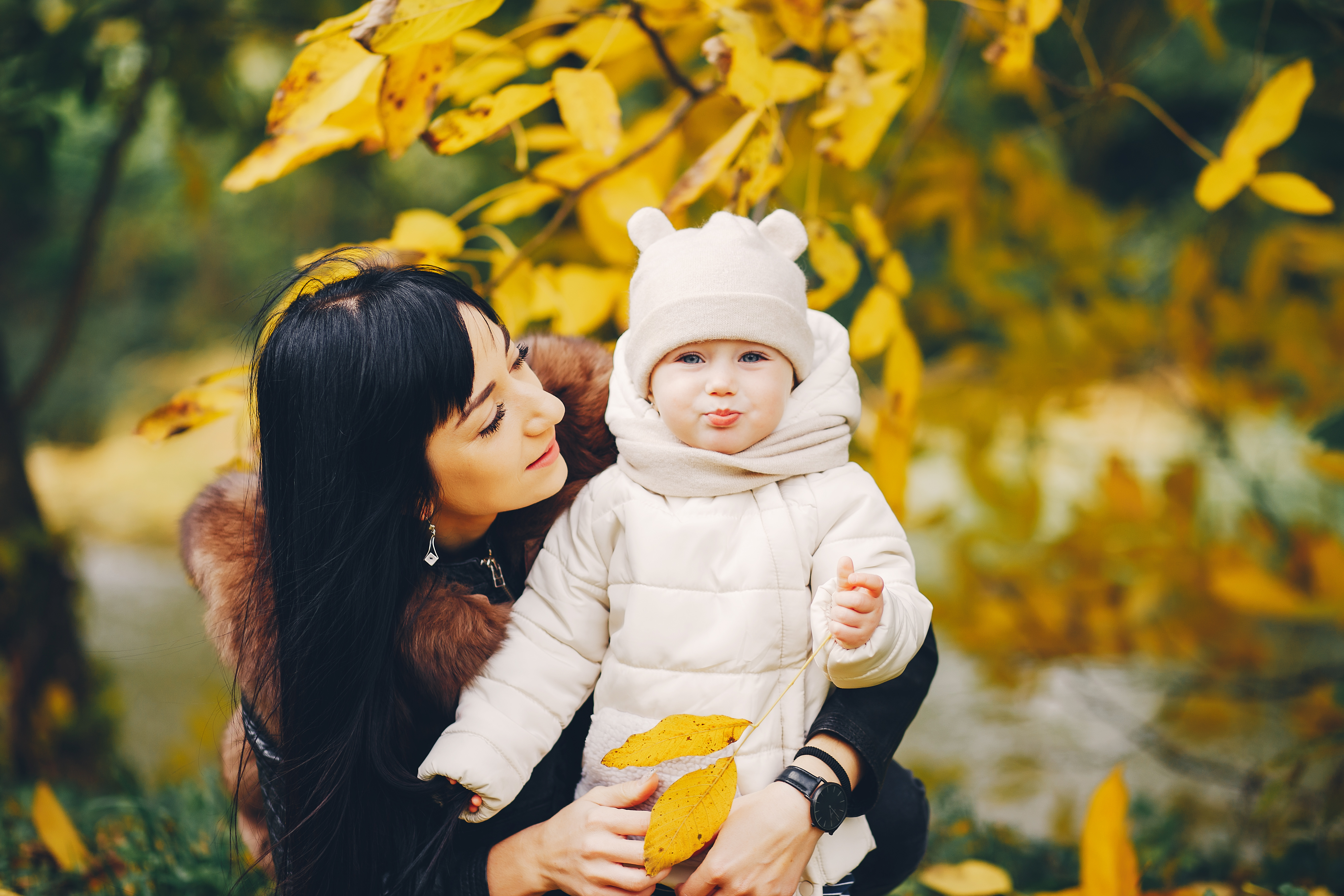
How to Choose the Best Clothes for Your Baby: A Parent's Guide
Choosing clothes for your baby can be exciting, but it also comes with a few practical considerations. From selecting comfortable fabrics to finding the right size, parents want clothing that looks good, feels comfortable and makes everyday dressing easier.
Whether you are preparing for a newborn or updating your baby's wardrobe as they grow, here are some useful things to consider before buying baby clothes.
1. Choose Comfortable Fabrics
A baby's clothing should feel comfortable against their delicate skin. Pay attention to the fabric composition and garment construction when shopping.
Cotton is a popular choice for everyday baby clothing because it is generally breathable and comfortable. Other fabrics may also be suitable depending on their composition, construction and intended use.
When choosing clothes, consider:
- Soft materials that feel comfortable against the skin.
- Breathable fabrics suitable for everyday wear.
- Smooth seams and comfortable finishes.
- Fabric weight appropriate for the weather.
- Care instructions that fit your daily routine.
Always check the garment label to understand its actual fabric composition.

2. Choose the Right Size
Baby clothing sizes are commonly labelled by age, such as Newborn, 0–3 Months, 3–6 Months and 6–9 Months.
However, babies grow at different rates, so age labels should be treated as a general guide rather than an exact measurement.
Before purchasing, consider:
- Your baby's current height and weight.
- The garment's size chart.
- Whether the outfit allows comfortable movement.
- Whether there is enough room for a diaper.
- Whether sleeves and legs are an appropriate length.
If you are between sizes, compare the actual garment measurements and consider the fit you prefer.
3. Dress Your Baby According to the Weather
The right clothing depends on the temperature, environment and your baby's comfort.
During warmer weather
Choose lightweight clothing that allows airflow. Avoid unnecessary layers and check regularly that your baby is not overheating.
During cooler weather
Use comfortable layers that can be added or removed as needed. Knitted outfits, long-sleeved clothing and suitable outer layers can help keep babies comfortable.
For sleep, follow safe-sleep guidance and avoid loose blankets or excessive clothing layers.
4. Look for Practical Features
Baby clothes should make everyday routines easier for parents and caregivers.
Some useful features include:
- Front or shoulder openings for easier dressing.
- Snap buttons for convenient diaper changes.
- Smooth zippers with appropriate protective coverings.
- Stretchable waistbands for comfortable movement.
- Easy-to-wash fabrics for regular use.
Consider how easily you can put on and remove an outfit, especially when changing your baby.
5. Check Clothing Safety
Comfort and appearance are important, but safety should always come first.
Before purchasing baby clothes, check for:
- Securely attached buttons and decorative elements.
- No loose strings or cords around the neck.
- Smooth seams and finishes.
- Zippers that do not irritate the skin.
- Appropriate sizing without restrictive areas.
Inspect clothing regularly for loose parts, damaged fasteners or worn fabric.
6. Understand How to Care for Baby Clothes
Baby clothing is washed frequently, so understanding garment care instructions can help maintain its condition.
A few useful habits include:
- Read the washing instructions before cleaning.
- Separate colours when necessary.
- Use a suitable detergent.
- Follow the recommended washing temperature.
- Avoid harsh treatments unless permitted by the care label.
- Dry garments according to their fabric and care instructions.
Following the manufacturer's instructions can help preserve the appearance and condition of clothing.
7. Build a Practical Baby Wardrobe
You do not need to buy every type of baby outfit at once. Start with everyday essentials and add more as your baby's needs change.
Some useful wardrobe basics include:
- Comfortable bodysuits and onesies.
- Everyday rompers.
- Soft trousers and leggings.
- Comfortable tops and sweaters.
- Sleepwear suitable for the season.
- Extra outfits for changing and outings.
Choose a practical mix of clothing that suits your baby's age, daily routine and local weather.
Final Thoughts
Choosing baby clothes becomes easier when you focus on comfort, fit, practicality and safety rather than appearance alone.
Check the fabric composition, compare size measurements, follow care instructions and choose outfits that make everyday dressing easier.
At MyBabyBarn, we believe choosing clothes for your little one should be a thoughtful and enjoyable experience. Explore our collection of baby clothing and find everyday essentials for your growing little one.
Frequently Asked Questions
Which fabric is suitable for everyday baby clothes?
Cotton is a popular choice because of its breathable and comfortable properties. Always check the garment's actual fabric composition and care label.
Should I buy baby clothes according to age?
Age labels are a useful starting point, but babies grow at different rates. Compare the garment size chart with your baby's measurements.
How many baby outfits should I buy?
Start with a practical selection of everyday outfits, considering how frequently you do laundry and how often your baby needs changing.
How should I wash baby clothes?
Follow the garment's washing instructions and use a suitable detergent. Check the care label before choosing the washing temperature or drying method.
The Barn Letter
New guides, once a month.
Sizing notesCare tipsEarly word on drops
One email a month. Unsubscribe anytime.